Functions animation videos

Parcourez des exemples d'animations Functions sélectionnés dans Computer Science, avec des scènes Manim réutilisables, des preuves visuelles et des idées prêtes à enseigner.

Computer Science · 8 animations

Consistent Hashing

Consistent Hashing

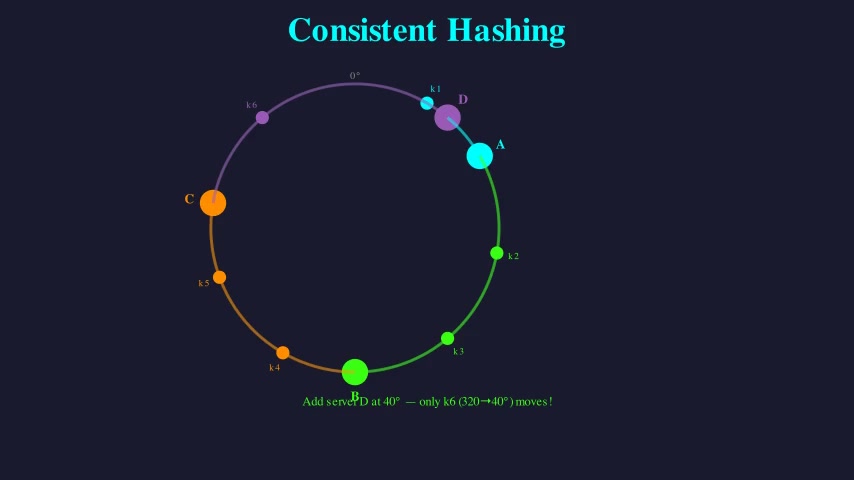
Demonstrates consistent hashing on a circular hash ring (0–360 degrees). Server nodes are placed on the ring, keys are assigned clockwise, and the animation shows that adding or removing a server only redistributes a minimal fraction of keys. Virtual nodes are introduced to improve load distribution.
Dynamic Programming — Fibonacci & Memoization

Dynamic Programming — Fibonacci & Memoization

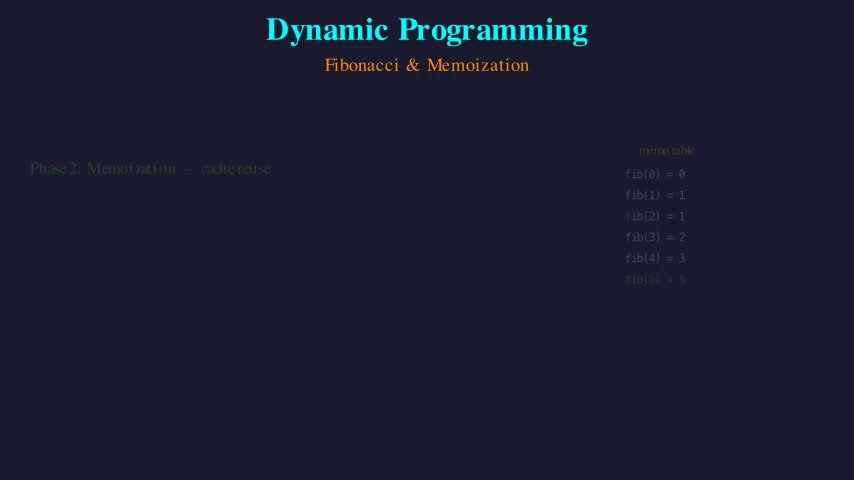
Contrasts three approaches to computing Fibonacci numbers: naive recursion (exponential, showing repeated subproblems in red), top-down memoization (cached calls return instantly in green), and bottom-up DP table filling. Complexity labels O(2^n) vs O(n) are displayed prominently.

Neural Network Forward Pass

Neural Network Forward Pass

Visualizes a forward pass through a [3, 4, 4, 2] neural network. Input activations propagate layer by layer through weighted connections, showing the weighted sum computation and activation function at each layer. The output layer applies softmax. Active neurons glow to indicate high activation values.

Big-O Complexity

Big-O Complexity

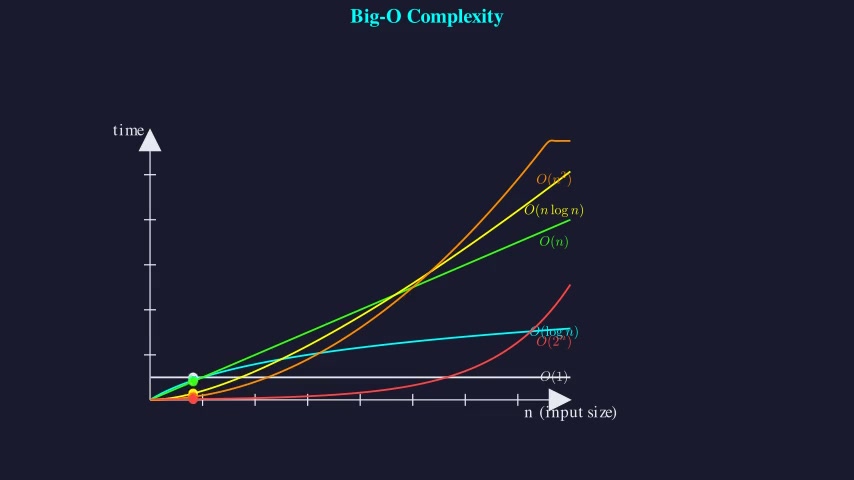
Plots growth curves for the six major Big-O complexity classes on a shared set of axes. A ValueTracker animates n growing, showing how quickly each curve diverges. A reference table maps each complexity to example algorithms.

Hash Tables

Hash Tables

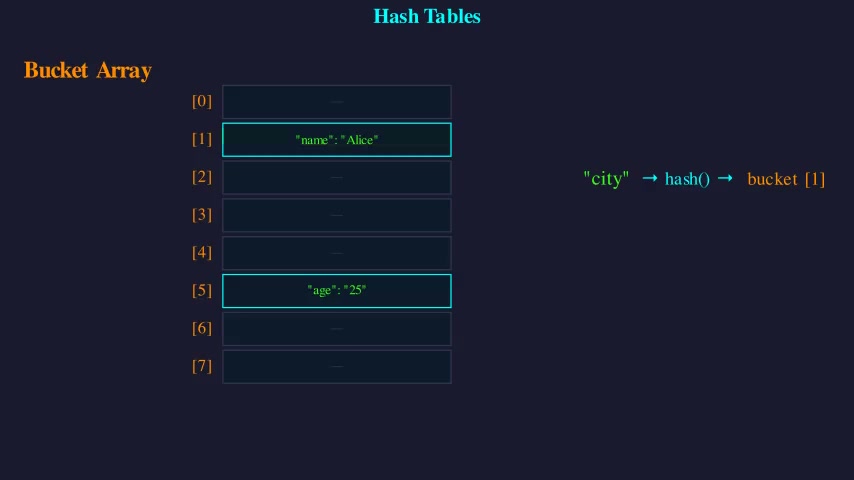
Demonstrates hash tables by animating the hash function that maps a key to a bucket index, inserting multiple key-value pairs, performing a lookup, and resolving a collision using chaining.

Recursion & the Call Stack

Recursion & the Call Stack

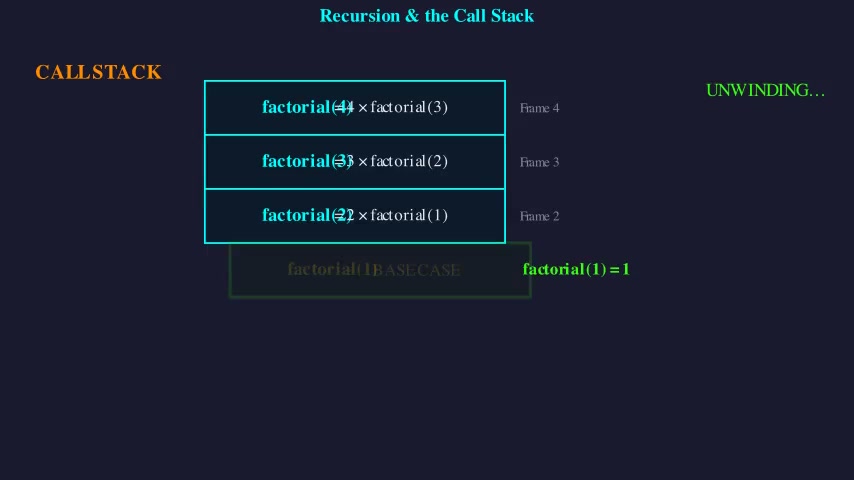
Animates the recursive computation of factorial(4), showing a visual call stack that grows as recursive calls are made and then unwinds as each frame resolves. The base case is highlighted, and final computed values propagate back up the stack.

What is a Function?

What is a Function?

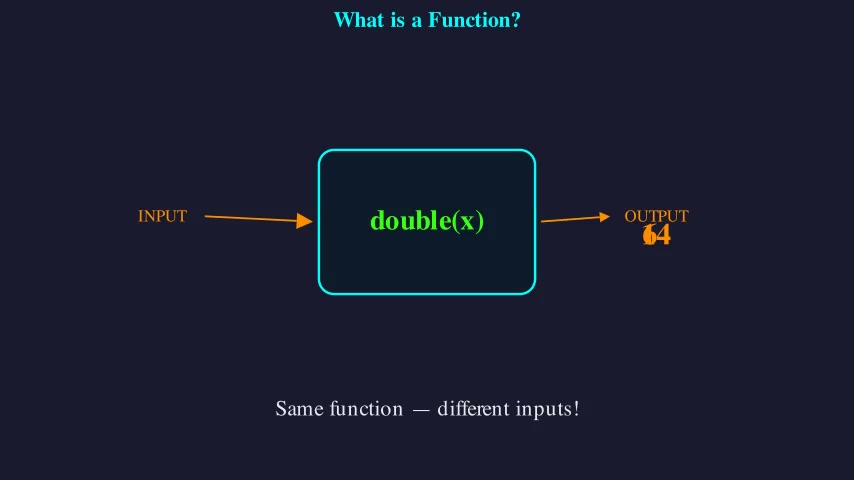
Illustrates the concept of a function as a "machine" that takes an input and produces an output. Shows the double() function called multiple times with different inputs, demonstrates reusability, and briefly connects to mathematical function notation.

What is a Computer?

What is a Computer?

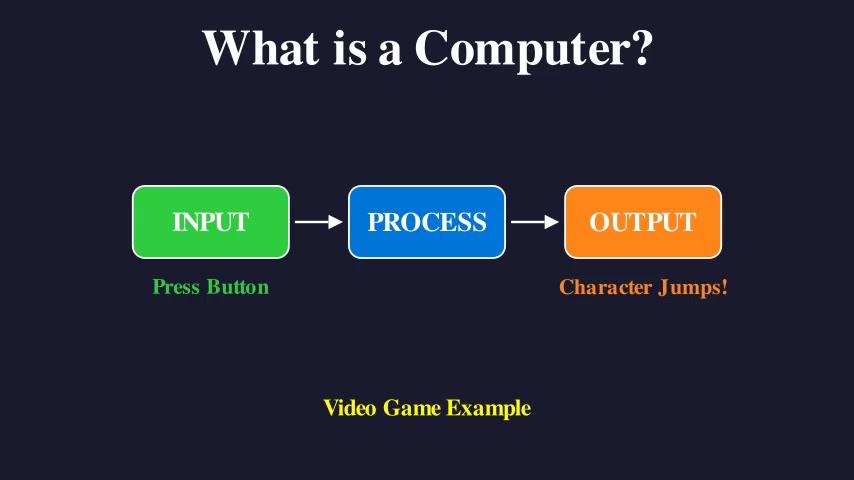
An introduction to computers for primary school students (ages 6–11). Shows the core concept of input → process → output as a simple pipeline, using everyday examples like a calculator and a video game. Key takeaway: computers take in information, do something with it, and give back a result.